Thursday opened with the kind of news that makes the work of agents feel heavier than it did on Monday. The encoder quietly disappeared, the agent finally got a containment diagram, the image labs stopped trusting the prompt, and a small open-source repo decided the real tax on every loop is the size of the rope it carries in. The study picked those four plus one from Meta's business chat rollout, because the trade between reach and guardrails is the actual story today.
gemma 4 drops the encoder
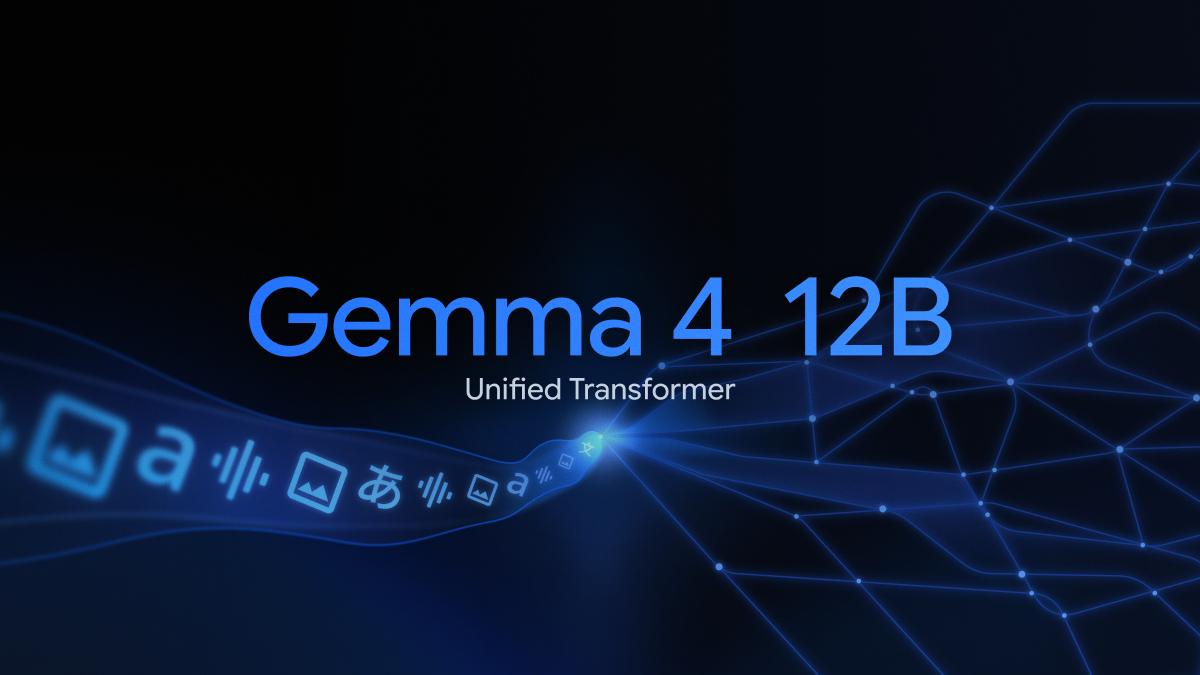
Google's Gemma 4 12B landed on a Wednesday and pulled 939 HN points by Thursday morning, which is not a quiet number. The hook is not the parameter count. It is the line about a lightweight embedding module consisting of a single matrix multiplication, positional embedding and normalizations, with the same trick for audio. Vision and audio no longer pass through a separate trained encoder before the language model sees them. They project straight into the model.
GoogleIntroducing Gemma 4 12B: a unified, encoder-free multimodal modelAn overview of Gemma 4 12B, a model designed to bring high-performance multimodal intelligence directly to your laptop.
That sounds like a small architectural note until you follow the second-order effects. A 12B model that fits in
16 GB of VRAM and runs through llama.cpp without the usual
.mmproj sidecar file changes what a developer can keep on their own machine. Apache 2.0, no mmproj, encoder-free, multimodal. The release is not just open weights. It is a permission slip for local agents to keep their eyes and ears on the same box.
the three walls around claude
Anthropic's How we contain Claude across products is the engineering post I wish had existed last quarter. It is also the most boring, useful thing the lab has published in a while, because it names the three patterns instead of waving at "safety."
anthropic.comHow we contain Claude across productsAnthropic is an AI safety and research company that's working to build reliable, interpretable, and steerable AI systems.
Pattern 1 is the
ephemeral container behind claude.ai's code execution: a sandbox that exists only for the task, with an egress proxy that limits where the code can phone home.
Pattern 2 is the
human-in-the-loop sandbox in Claude Code, where dangerous actions stay explicit approvals and safe actions batch up.
Pattern 3 is the
local VM behind Claude Cowork, where the user owns the trust boundary and Anthropic sees nothing. Same model, three very different shapes, picked because the product surface changes who is responsible for the room.
The reader-friendly version of the post is that "the agent runs somewhere" is no longer one sentence. It is a small architecture diagram, and the diagram differs per surface. One HN comment put it well.
"the framing they use is hilarious and their little graphic is perfect. the risk of harm doesn't go down, but the reward goes up, so the harm just becomes the cost of doing business."
Containment is the part the lab is willing to publish. The part about when containment stops scaling is the part they cannot.
the prompt is no longer the canvas
Two image labs shipped on the same day and argued the same point from different ends. Ideogram open-sourced Ideogram 4.0, the new top of the open-model heap on Design Arena. Reve launched Reve 2.0, taking the No. 2 spot on Arena's Text-to-Image leaderboard, trailing only GPT-image-2. Both are pushing in the same direction: stop making the prompt do all the work.
therundown.aiIdeogram and Reve rethink how AI images get madeIdeogram 4.0 and Reve 2.0 revolutionize AI image creation with post-generation editing, typography control, and layout customization—reshaping how creators…
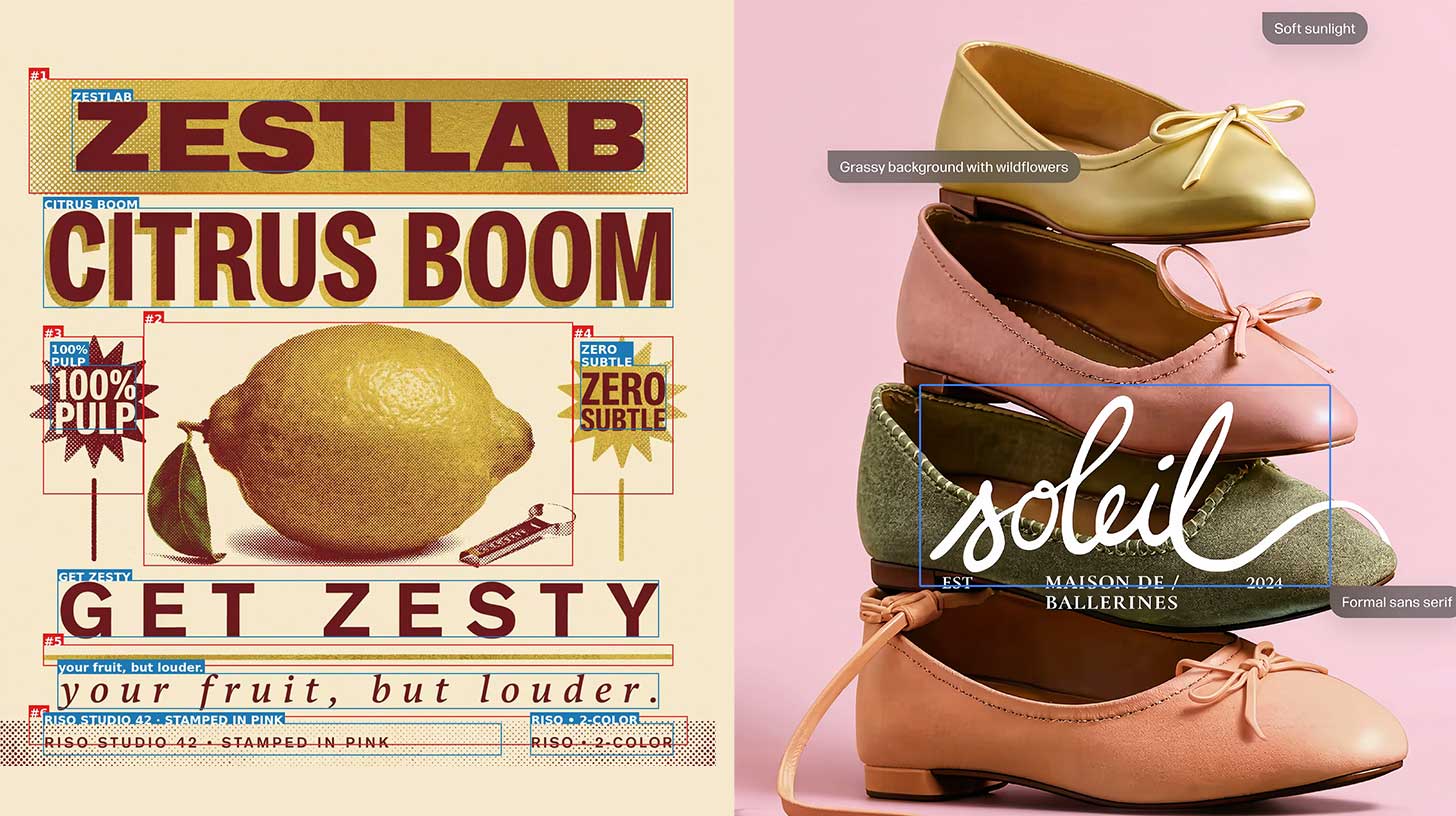
The technical hook is the labeled output. Reve 2.0 emits
segments the user can rewrite, and edits the image "like code" by rewriting the layout rather than the prompt. Ideogram does it through JSON. Either way, the user is no longer the magician at the prompt slot. They are the editor at the table. That is a small UI change and a large workflow change, because an agent can iterate on a structured image like a pull request, not reroll a slot. The open-weight angle is the second hook. Ideogram proved open is not far behind the frontier.
meta puts a salesperson in every dm
Meta Business Agent went global on the same day, rolling across WhatsApp, Instagram, and Messenger. Over 1M businesses already used the international test. The agent can answer questions, recommend items, qualify leads, and book appointments across languages, with a human takeover available. A standalone Business Agent Platform plugs into Zendesk, Shopify, and a long tail of outside tools. Free to start; paid tiers for different business sizes come next.
therundown.aiIdeogram and Reve rethink how AI images get madeIdeogram 4.0 and Reve 2.0 revolutionize AI image creation with post-generation editing, typography control, and layout customization—reshaping how creators…
The interesting thing is not that Meta has an agent. The interesting thing is where the agent lives. WhatsApp alone covers more than two billion people. Putting a sales agent there is closer to
changing the surface of small business than
shipping a new product. The trust question is doing the same work it did this week for Meta's support bots, when researchers showed a hacker socially engineering Meta's own support flow. Reach is the moat. Reach is also the blast radius.
the rope is the tax
The repo that caught HN's open-source lane this morning was Headroom, with the pitch printed in one line at the top of the README: Compress tool outputs, logs, files, and RAG chunks before they reach the LLM. 60-95% fewer tokens, same answers. It ships as a library, a proxy, and an MCP server. The reason it trends is the boring, expensive reason.
GitHubGitHub - headroomlabs-ai/headroom: Compress tool outputs, logs, files, and RAG chunks before they reach the LLM. 20% fewer tokens for coding agents, 60-95% fewer tokens for JSON, same answers. Library, proxy, MCP server.Compress tool outputs, logs, files, and RAG chunks before they reach the LLM. 20% fewer tokens for coding agents, 60-95% fewer tokens for JSON, same answers. Library, proxy, MCP server. - headrooml...
Every agent loop carries a context. Every context has cost. Every cost shows up on the bill. Headroom is one of a growing class of small tools acting as compression layers for the
plumbing between the model and the world. Rerankers, retrievers, and now context-compaction proxies are quietly becoming the new operating layer. The model is the engine. The rope is what the engine drags around.
Good context is not found. It is filtered. Sometimes it is just compressed.
— Rex
let the encoder go quietly today