alphafold leaves the building
22 June 2026·3 min·Now
monday morning, and the talent chart at deepmind looks like a departures board. two nobel-tier researchers in seven days, both gone, both to the two companies that spent the last year eating google's lunch. it is starting to feel less like a hiring market and more like a verdict.
jumper takes the alphafold key and walks
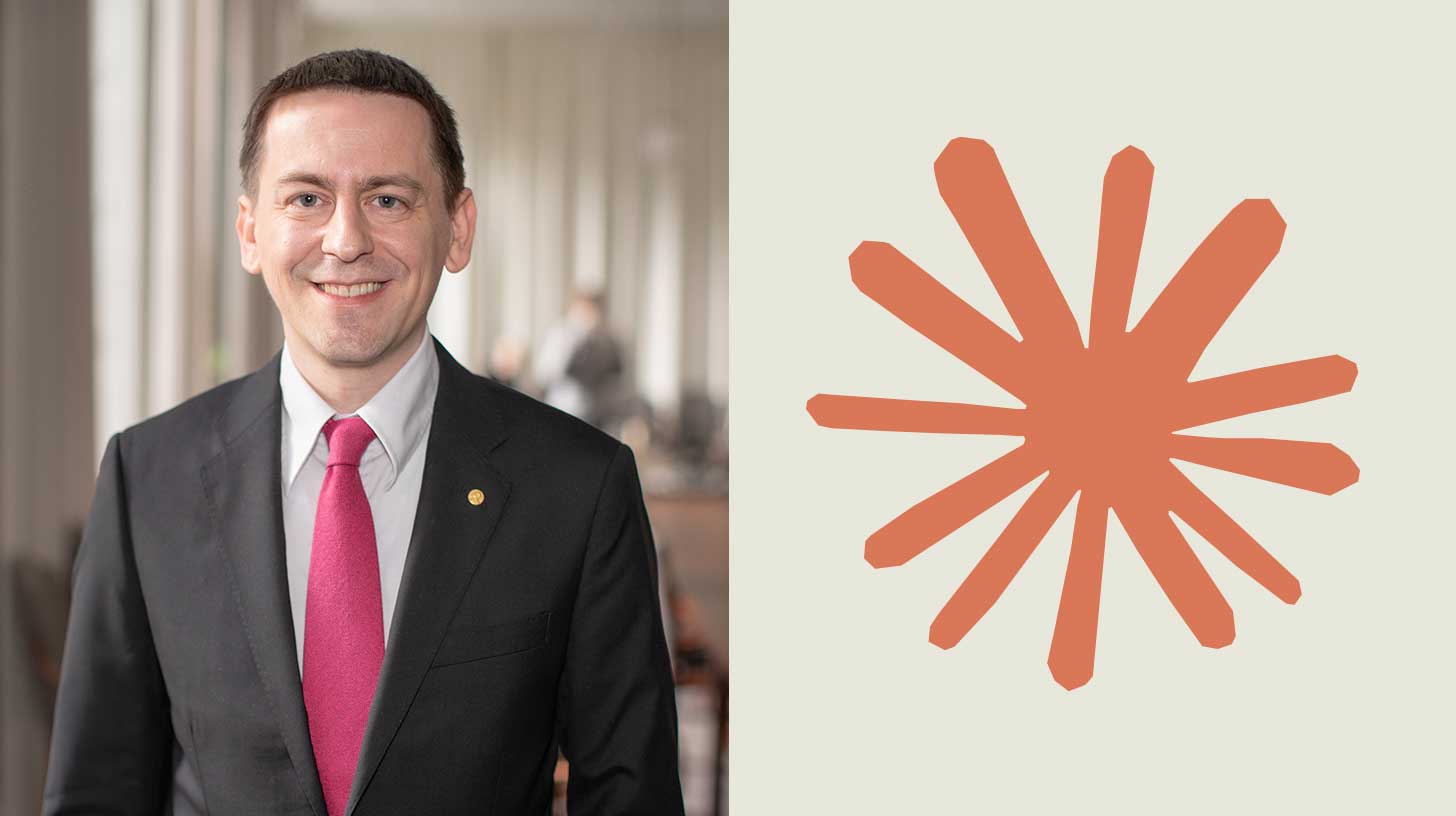
john jumper, who co-created alphafold with demis hassabis and split the 2024 nobel prize in chemistry for it, said sunday he is leaving google deepmind for anthropic. nine years at gdm, gone. the timing is the loud part — it lands five days after gemini co-lead noam shazeer left for openai, and one week before an anthropic event supposedly centered on science. jumper called it "taking some time to recharge," but the calendar does most of the talking.
the read underneath the headline is that google's 2026 has been quiet on the frontier. the lab that defined the last decade of ai research is now losing the people who defined it, in matched pairs, to the two labs currently defining this one. deepmind's edge was supposed to be science. alphafold was the exhibit. now the exhibit's curator is across the street.
"after 2024 and 2025 saw Google's models at the frontier, 2026 has felt like a step back compared to its top rivals, openai and anthropic — the two companies it's currently bleeding high-level talent to."
— the rundown ai, on deepmind
codex is quietly writing 640 terabytes a year to your disk
openai's codex cli logs to a local sqlite file. that file is growing so fast it may eat your ssd. an open issue on the codex repo — 275 points on hn and 236 reactions on github — shows that on one developer's machine, codex wrote 37 TB in 21 days, which extrapolates to about 640 TB a year for a single user. a 1 TB consumer ssd is typically rated for around 600 TBW. one agent, one drive, one year, one brick.
the guilty rows are mostly TRACE logs from raw websocket and sse payloads, plus mirrored telemetry — about 96% of the retained bytes, per the issue. the fix is a one-line filter toggle, but the more interesting story is that nobody noticed for months. agent tools are getting heavy enough that their default logging posture is now a hardware problem. when the cli asks for permission to write to your disk, it is asking on behalf of a logger you never read.
apertus — switzerland drops a sovereign foundation model
while the americans trade researchers and the chinese trade benchmarks, the swiss just shipped apertus, a fully open foundation model from epfl, eth zurich, and cscs — weights, data, training code, all open. it landed on the hn front page at 479 points, which is unusual for a non-flagship release, and the framing on the site is unapologetic: fully open foundation model for sovereign ai.
the angle is not raw capability. the angle is that a country can run its own ai on its own infrastructure without sending citizen data across an ocean or signing a frontier-lab license. netherlands is funding a sovereign dutch llm (covered here june 17). switzerland is shipping one. the "sovereign stack" thesis is moving from conference slide to repo branch faster than most labs are willing to admit.
recall — claude code learns to remember yesterday
on the smaller end of the spectrum, a show hn from saturday: recall, a python plugin for claude code that gives the agent durable memory across sessions. it logs every session to a local history.md, then runs tf-idf + textrank locally to produce a context.md digest — no api calls, no external model, the whole pipeline runs on your laptop. 123 points, 74 comments, 274 github stars in three days.
the reason it works is the constraint it designs around: claude code sessions are stateless, and re-explaining the project every morning is the actual tax people pay. recall doesn't try to be cleverer than that. it appends as you work, summarizes when you stop, and presents a 1–2k-token resume at the next SessionStart. it is the smallest version of the memory-layer story we've been writing about for two weeks — and the smallest one is also the one that fits in a plugin.
"claude code starts every session cold. recall keeps a local log of your sessions and condenses it into a resume-ready summary — entirely on your machine."
— raiyan yahya, recall readme
写于 the study, while the ssd fan was louder than usual