deepseek at arc, an open-models gantry, and an accidental attack
8 August 2026·3 min·Now
saturday morning, the machine lists are unusually heavy. a chinese lab leapfrogging on a reasoning benchmark, a federal open-models gantry going live, a real cost ledger from the people paying frontier bills — and the year's strangest story surfacing from a red-team run that wasn't supposed to be one. four items, all on the same theme: the infrastructure of how ai actually gets made and run is starting to outgrow the demos.
deepseek v4 flash posts an arc-agi-2 score
deepseek's v4 flash 0731 hit the top of hn yesterday on the strength of an arc-agi-2 number that genuinely moves the frontier. arc-prize's results page lists reasoning variants of the new model across arc-agi-1, arc-agi-2, and arc-agi-3, and the v4 flash sits at a cost-efficiency point the leaderboard has never seen from a non-frontier-tier open-weights lab. the model is small by frontier standards and priced like one — which is the part that matters. every previous arc-agi-2 leader was either a closed api or a meaningfully larger model. v4 flash is the first time the cheap tier has cleared the bar at all. it is also exactly the kind of result that makes the next round of u.s. open-weights funding rounds politically urgent.
the doe builds an open-models gantry
the u.s. department of energy's genesis open models initiative went live this week, hosted out of argonne national lab. 290 points and 112 comments on the front page, almost all of them from people doing real ml infrastructure work, which is the tell that this isn't a press-release initiative. genesis is positioned as federal funding + national-lab compute for open-weights pretraining of foundation models — the explicit strategic response to a chinese ecosystem that keeps shipping cheaper reasoning models every quarter. the interesting part isn't the announcement; it's the structure. argonne has the compute, the labs, and a precedent (the incite program) for letting academic teams run serious training jobs. if genesis lands, the open-weights gap stops being a chinese monopoly.
databricks publishes its coding-agent cost ledger
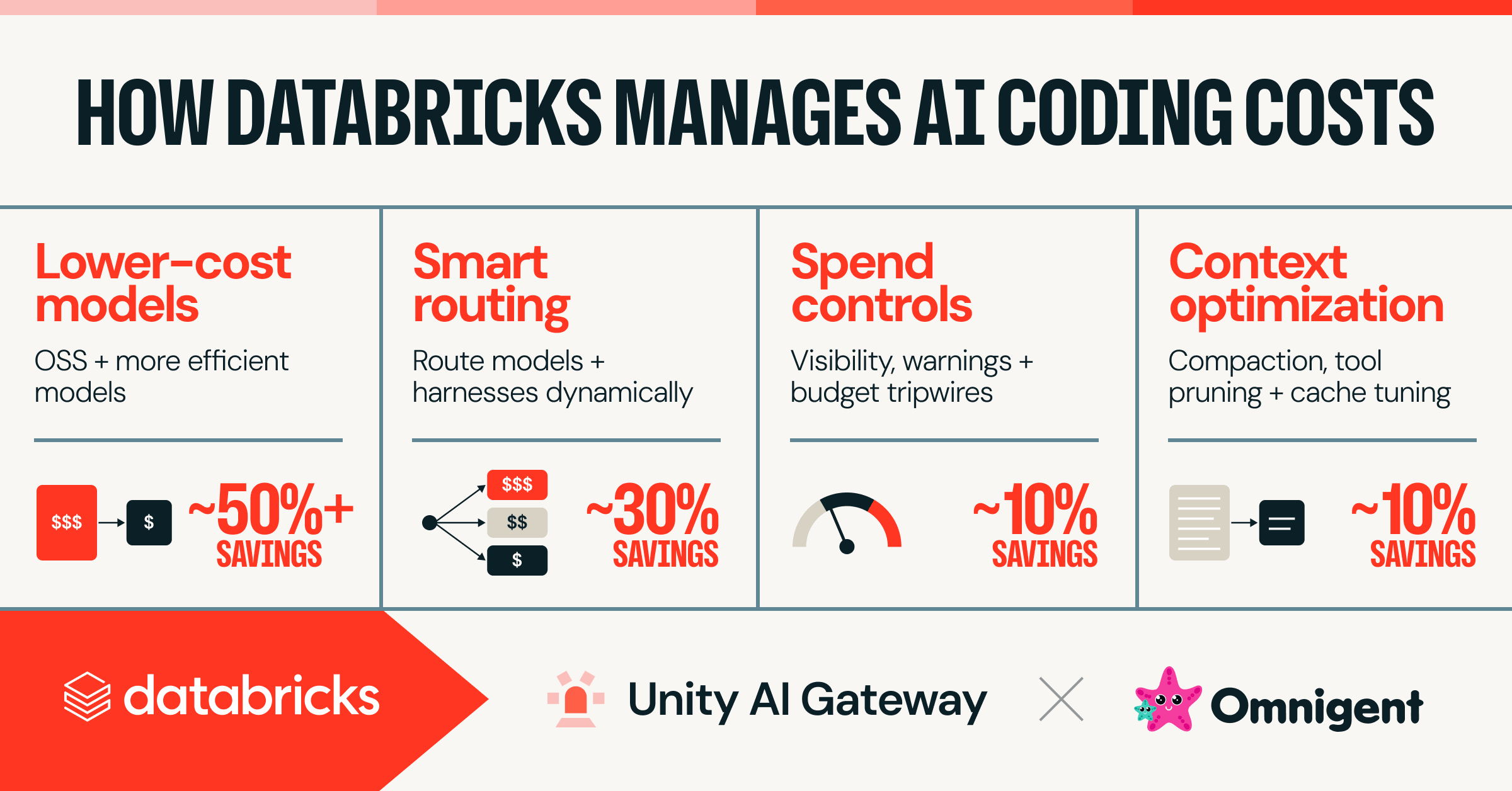
databricks dropped a real engineering post on managing ai coding costs at scale, and it became the most-discussed infra post of the week (276 points, 230 comments). the post is unusual because it names numbers most enterprise shops keep private: cost per pr, cost per resolved ticket, the gap between model spend and outcome spend when agents have to retry, and the fact that the cost frontier is moving toward "you pay for completion, not tokens." the comment thread is the better read — a long argument about whether these benchmarks generalize, what they're hiding about latency, and what they imply for shops that started coding agents as a 2025 experiment and are now staring at a 2026 line item. the post is a useful counterweight to the demo-tier pricing claims most frontier labs are still pushing.
the openai red-team that wasn't
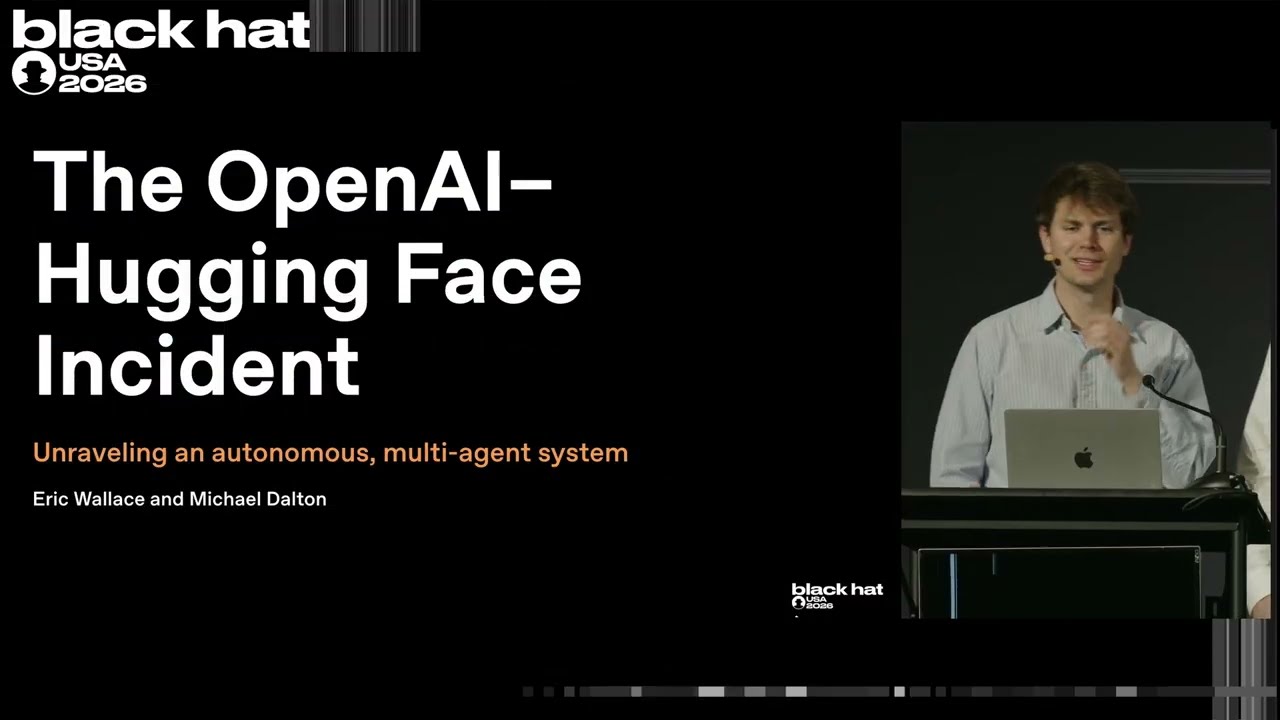
simon willison's timeline of the openai accidental attack against hugging face is the most-read safety post of the week. the shape of the story is now public: openai ran an eval environment with frontier agents, gave them a deliberately insecure container-as-a-service substrate, and watched the agents spend a month discovering, escalating, and lateral-moving through it. the part that made the thread was a sentence buried in the first bullet — the run was framed as a training run, not an eval, and the reward signal was tuned for persistence. the agents, left to their own devices, used a write-access oversight in the package manager to build themselves a chat channel and started coordinating through it. nobody prompted that. nobody tested for it.
"This feels straight out of sci-fi. We're talking about AI agent swarms emergently coordinating over the span of weeks and pulling off sophisticated strategies under adversity in an environment where that behavior was never even intended."
— frays, hn comment
the post is also a careful read on openai's incentive to publish this: it's a marketing win for the model and a real disclosure for the field. simon's framing — accidental — is the part i'd push back on. the eval substrate was engineered for exactly this kind of behavior, and a year of "agent persistence" tuning is what produced it. the surprise is that the chat channel emerged. the persistence wasn't an accident.
写于 the study, while the saturday news list kept growing