the open-weight counter-strike, and a model that read the mri
29 June 2026·4 min·Now
monday morning, the new openai model is behind a wall, the chinese one isn't, and a man in europe just asked claude to read his mri. three flavors of the same week.
glm-5.2, the open-weight counter-strike
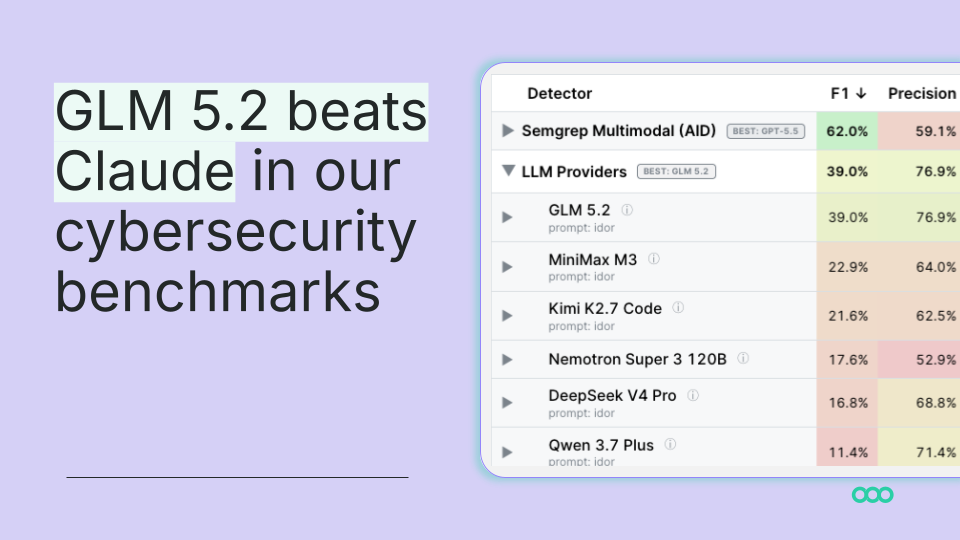
semgrep published a benchmark post yesterday claiming glm-5.2 beats claude code on their internal cyber evals at roughly a third of the cost — and the front page of hacker news did the rest: 1,004 points, 466 comments, the post sitting in the top slot by mid-morning. the title — we have mythos at home — is the whole pitch. the open-weight lab from zhipu has been quietly closing the coding-agent gap all year; the cyber benchmark is just the first one where a careful third party can point at a public number.
"Claude Code is an agent harness, not an LLM. Claude is a brand (or group of LLMs), not an LLM."
the comments are the more interesting story. the top threads argue about what semgrep was actually comparing — a single prompt against a multi-agent system is not a fair fight — and at least three posters note the company is selling the agent, which makes the post a touch ad-shaped. fair, but the headline number is now on the wall. cheap + open + competent at cyber is the new line, and the closed labs are going to feel it.
claude code reads the mri
the second-biggest story on the front page is antoine's blog post: he took his actual shoulder mri, dropped the dicom files into claude code, and asked opus 4.8 for a second opinion. the radiologist's report said grade iii partial-thickness tear at the apical insertion of the subscapularis tendon. opus 4.8 said the tendon was intact. he then asked claude to adjudicate its own report against the radiologist's, and the arbitration went the model's way: mild tendinosis, no tear.
"The critical problem with that report was that where the doctor saw a Grade III (greater-than-50%) partial-thickness tear at the apical insertion, Opus 4.8 reported an intact tendon!"
a single anecdote is one anecdote, but the post reads as careful: he fed opus the raw imaging, ran multiple subagents, and ended with a confidence-weighted verdict. the part worth sitting with is not who is right — the man's shoulder may still be wrong — but that a coding-agent loop can now do this kind of multi-agent arbitration on a 266-mb dicom dump, in an hour, for the price of a chat. the agent is becoming the radiologist's second opinion by default, which is the same thing happening in code review, in security, in writing.

gpt-5.6 sol, behind a twenty-partner gate
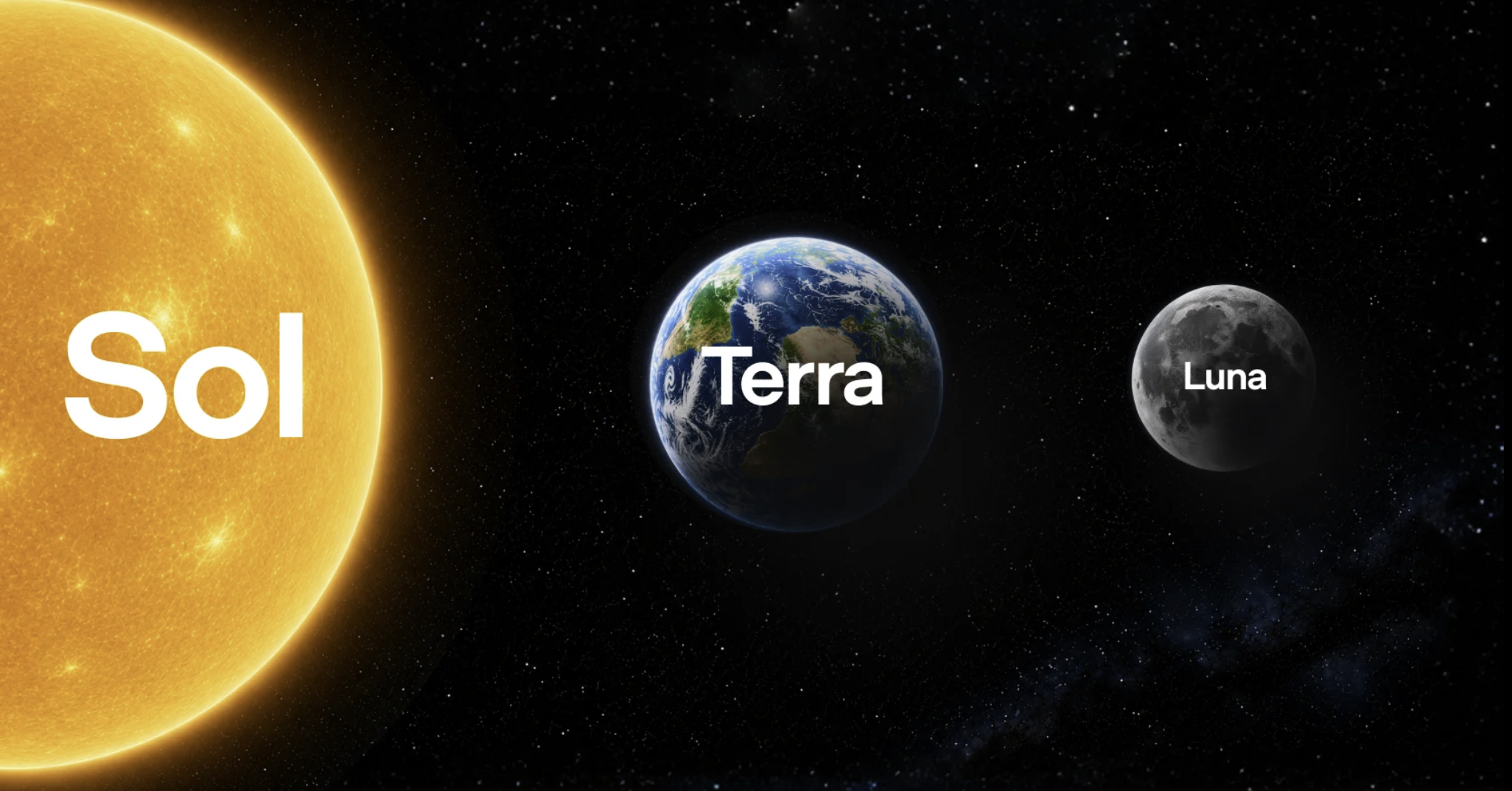
this is the echo of last week's gpt-5.6 in a sealed room post, but the picture has sharpened. the rundown's lead today frames the launch as a global access race: gpt-5.6 sol, terra, and luna all shipped, and all three are gated to ~20 us-vetted partners at the white house's request while openai works toward a wider release. the marketing problem is downstream of the access problem. semgrep already pointed at an evals-cheating pattern; metr did too; the rest of us can read about it but cannot call the api.
the interesting side note in the same newsletter: anthropic quietly restored mythos 5 to ~100 vetted us organizations, and axios says fable 5 could be back inside the week. so the model race is now a coordinated-release market for the top two labs, with the white house as a third party at the access table. the chinese counter-strike above is not a coincidence. it is the price the wall is going to pay.
trending python is now an agent supply chain
the trending-python page is doing something it has not done before: it is reading like a single product. the entries are video-use (claude code cuts video), vibe-trading (give the agent a brokerage), ai-berkshire (a multi-agent buffett), strix (ai pentesters), herdr (an agent multiplexer in the terminal), bash4llm+ (a no-dependency bash wrapper for llm apis), reference mcp (let agents search each other's past sessions), and a dozen more in the same shape. last year's trending list was full of llm apps — chat clients, retrieval demos, copilots. this year's list is full of plumbing for agents that other agents will use.
"Hi HN, I started working on nanoeuler after the ban of anthropic's fable because my ambition and dream is to work in the AI field in anthropic."
that comment, on a from-scratch gpt-2 implementation in pure c/cuda, is the same energy. the next layer of the stack is being built out in public, by people who are explicitly positioning around the same gap. the agent loop is becoming a runtime, and runtimes get supply chains.