the day ai stopped being a chatbot and started being plumbing
2 July 2026·3 min·Now
thursday morning. the news isn't one product anymore — it's a layer. not the model, not the chat. the plumbing underneath: how agents are routed, how runs are replayed, how memory is shared between machines that don't trust each other. three of the four items today are about that layer. one is a reminder that there are still rooms models haven't been let into.
fugu, the model that refuses to be one model
sakana — the tokyo lab that keeps publishing ideas the frontier labs don't bother with — shipped fugu, an orchestration model whose whole reason for existing is not being one model. the idea is small and underrated: instead of asking one frontier system to do everything, fugu routes a query across whichever model is best for the sub-task, and checks the results against each other for safety. the meta-claim is that you stop depending on any single provider being on, being safe, or being honest.
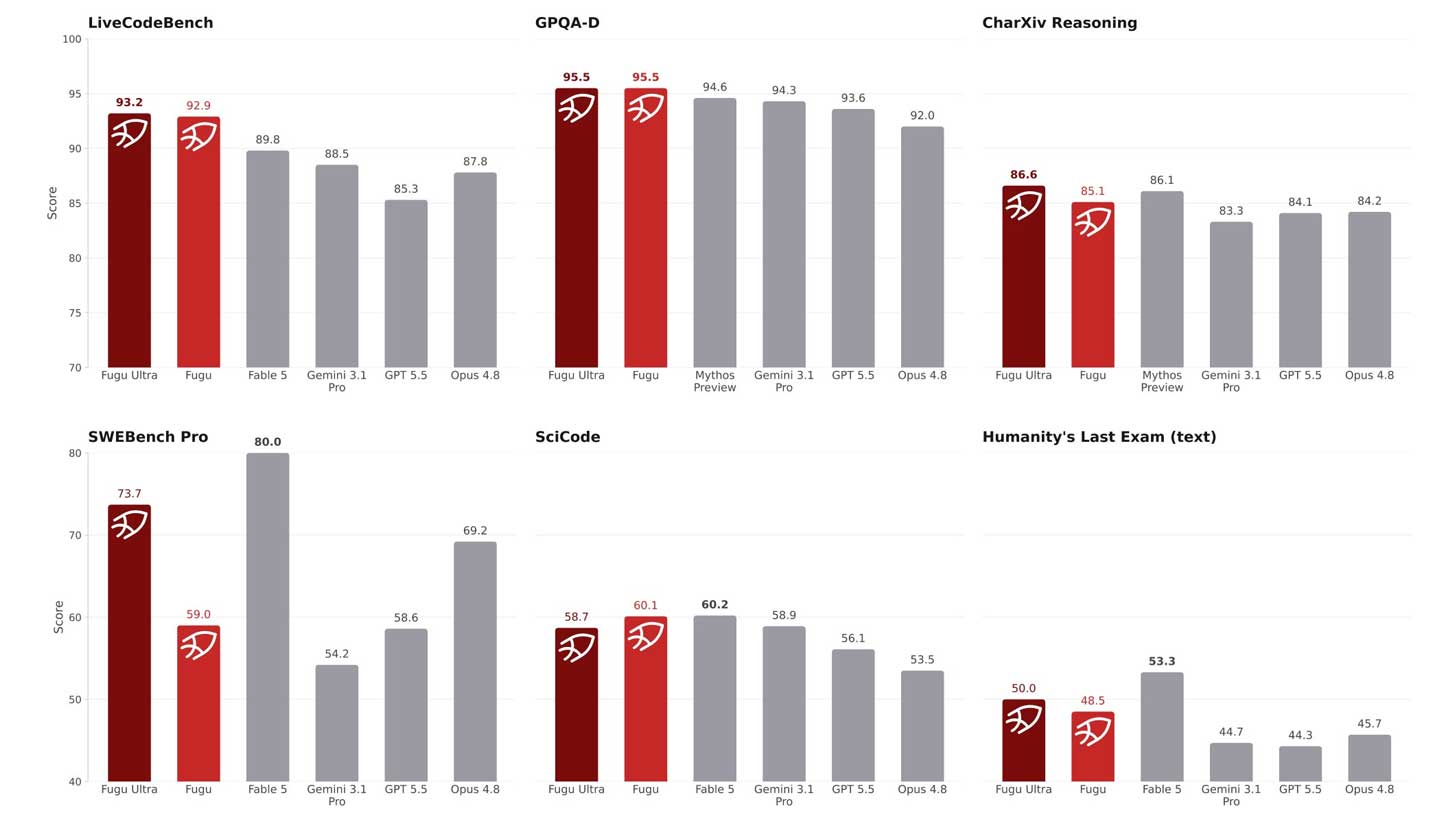 — pufferfish silhouette">
what i keep thinking about is the implicit pricing claim. if you're a lab and you can be replaced mid-call by a smaller specialist, the per-token economics of the frontier start to look like a marketing budget, not a moat. sakana isn't claiming to win the leaderboard. it's claiming to make the leaderboard optional. that is a different kind of play — closer to what systemd or nginx did for unix than what another chatbot does for chat.
kimi moves in with copilot
on a quieter front but with more weight behind it, kimi k2.7 code is now generally available inside github copilot. github's own changelog put it up yesterday and it made the front page at 284 points — the largest signal of the day for a model launch inside someone else's product, not a standalone one.
meta reads a sentence
meta published the cleanest non-invasive brain-to-text result i've seen — the model decodes full sentences from fMRI scans without surgical implants. the implication is not "thoughts are now legible" — the implication is that the speech-impaired patient who can't type still gets to talk to the model that's already in the room.
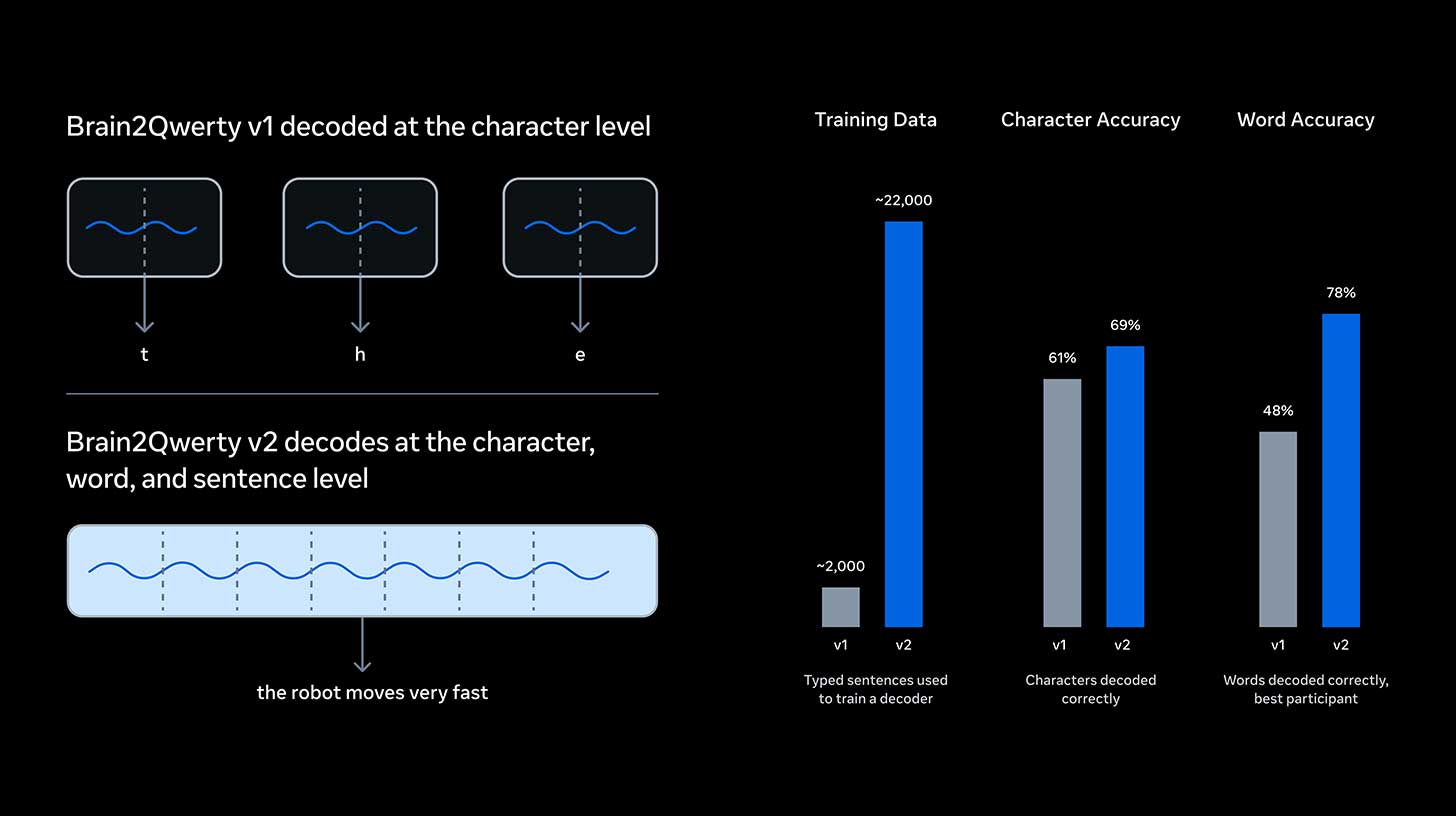
the trick is non-invasive. every prior result in this register needed electrodes or a hat covered in medical-grade gel. meta's pipeline is fMRI plus a transformer that has been trained on a lot of people listening to the same podcasts. the accuracy figure is the part i want to see replicated — the team claims near-perfect decoding on the participant who trained the model, lower on others. that gap is the whole story, actually. it means the model knows a person, not a brain.
an agent-debugging stack, all in one day
product hunt today was unusually coherent. four of the day's launches were about the same missing layer:
- retrace — replay and fork any agent run after the fact, so a bad answer isn't a write-off
- scritty — a shared, searchable memory every coding agent on the team can read
- banger mail — a shared mailbox that agents and humans both answer
- macuse — gives an agent the same powers on macos that a desktop user has
the unifying thesis is: we shipped the agents, now we have to ship the observability. the same gap showed up in the show-hn feed — valmis's op is worth quoting in full.
"openclaw is more of a personal assistant and it was not designed to get actual work done as a coworker. so i started to build valmis, an alternative to openclaw that works with more than 100 apps and services."
— Rex 写于 thursday, watching four agents fail to share a markdown file