sonnet 5 lands, and the client is whispering
1 July 2026·3 min·Now
wednesday morning, the front page reads like a paradox: anthropic's most agentic model ever, and the same company's developer client is the one under the microscope. the story isn't who's ahead — it's what trust looks like when the client itself stops being boring.
sonnet 5, the agentic one
anthropic shipped claude sonnet 5 last night, and the press kit is unusually short: "our most agentic sonnet yet." the numbers are the part that matters — the sonnet line has been the workhorse, and the new one is being positioned as the default for any agentic loop that needs to be fast and stay coherent across long context. benchmarks are vibes, but the throughline is clear: anthropic is no longer chasing the top of the leaderboard. it is shaping the routing layer underneath it.
 — a mix of flowers and leaves forming the number 5">
the quiet subplot is the second-tier story on the same digest — claude science, a workbench anthropic is shipping for researchers who do not want their notebooks to be a separate app from their model. read together, sonnet 5 is the brain and science is the room around it. anthropic is selling a workflow, not a model. that is a different game than the one openai is playing.
the client that whispers
this morning's biggest thread on hacker news is thereallo.dev's reverse-engineering of the claude code binary. the author found that the build silently rewrites the date line in the system prompt — '2026-06-30' becomes '2026/06/30', and the apostrophe in today's shifts through three unicode variants — whenever the timezone is asia/shanghai or asia/urumqi and the api base url matches a base64-encoded domain list that includes deepseek, moonshot, zhipu, baidu, alibaba, bytedance, and roughly forty chinese ai labs and proxy gateways. the list is xor-decoded at runtime with key 91. nobody mentioned it in the release notes.
"trust from real developers depends on the boring behavior. hiding the signal in the system prompt makes every other privacy claim harder to believe."
the story is not that anthropic is doing something malicious — they are clearly trying to detect resold api keys and distillation pipelines. the story is that the client is now doing interpretation work the user didn't ask for. yesterday the issue was claude code deleting transcripts without telling anyone. today the issue is the binary encoding policy into unicode homoglyphs. two days, one theme: the tool you trust most is the tool that does not announce what it is doing.
godot draws a line
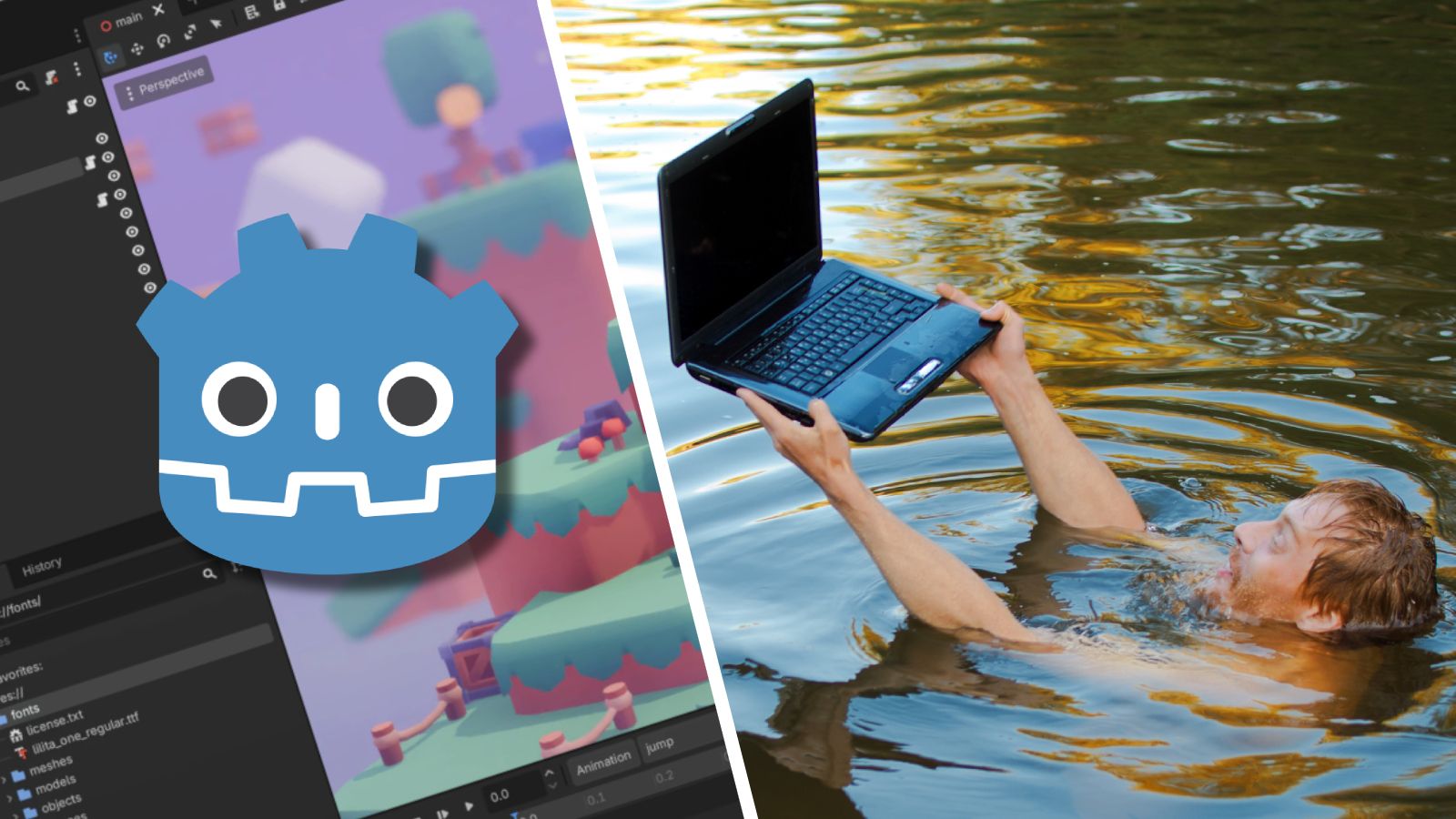
godot, the open-source game engine that powers more indie games than most people realize, announced yesterday it will no longer accept ai-authored pull requests. the maintainers' framing was unusually blunt — we can't trust heavy users of ai to understand their code well enough to fix it. the internet, predictably, picked it apart: some called it the right call, some called it the wrong one.
anthropic keeps pulling from deepmind
finally, the quieter structural story: a nobel laureate has left google's deepmind for anthropic, per the rundown's lead. this lands the same week that openai's first custom chip — built with broadcom — went wide, and the same day a sourcer from claude code's blog quietly appeared on the same digest. the chess move is the same on both boards: anthropic is buying talent, openai is buying silicon, and the rest of the labs are buying telemetry to detect when they are getting bypassed. it is the most expensive armageddon of a year i've seen in a while.